
Iran Rejects Claims of Talks with the United States of America

Iran Rejects Claims of Talks with the United States of America

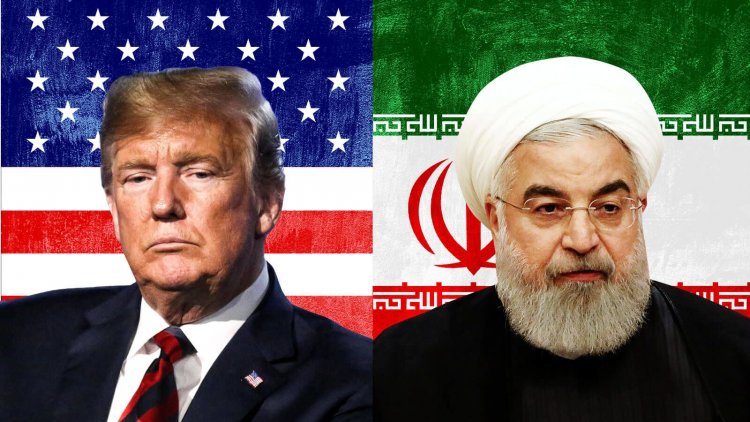
Iran has dismissed reports claiming that it is engaged in talks with the United States, after President Donald Trump announced that productive discussions had taken place regarding tensions in the Middle East.

Trump stated that in the past two days there had been “good and constructive” talks between the two sides aimed at finding a lasting solution to the long-standing conflicts in the region. He added that, based on the hope created by those discussions, he decided to postpone military strikes on Iran’s energy facilities for five days.

In a message posted on the social media platform Truth Social, Trump said the talks were ongoing and were expected to produce results in resolving the dispute between the two countries. He also said that if progress is achieved, it could allow the Strait of Hormuz to operate normally again and lead to a reduction in global oil prices.

However, Iran’s Ministry of Foreign Affairs quickly denied the claims, stating that no talks of any kind had taken place between Iran and the United States. Senior Iranian officials said that Trump’s statements were unfounded and that no negotiations had occurred or were planned.

The Speaker of Iran’s Parliament, Mohammad Bagher Ghalibaf, described the reports as “lies meant to mislead public opinion,” and accused the United States and Israel of trying to shift attention away from the problems in the region.

He said: “False reports are being used to manipulate financial and oil markets, and to help the United States and Israel escape the embarrassment they have put themselves in.”

For his part, Trump reiterated that if the talks do not produce results, the United States could proceed with military actions.

These developments come at a time when tensions remain high in the Middle East, where major powers continue to closely watch each other over issues of security, energy, and political interests. However, the sharp difference between what the two sides are saying continues to create confusion about whether negotiations are actually taking place or if they are simply political statements.

 By Jean Melane NDEKEZI / Realrwanda.rw

Iran Rejects Claims of Talks with the United States of America

Iran Rejects Claims of Talks with the United States of America

Iran has dismissed reports claiming that it is engaged in talks with the United States, after President Donald Trump announced that productive discussions had taken place regarding tensions in the Middle East.

Trump stated that in the past two days there had been “good and constructive” talks between the two sides aimed at finding a lasting solution to the long-standing conflicts in the region. He added that, based on the hope created by those discussions, he decided to postpone military strikes on Iran’s energy facilities for five days.

In a message posted on the social media platform Truth Social, Trump said the talks were ongoing and were expected to produce results in resolving the dispute between the two countries. He also said that if progress is achieved, it could allow the Strait of Hormuz to operate normally again and lead to a reduction in global oil prices.

However, Iran’s Ministry of Foreign Affairs quickly denied the claims, stating that no talks of any kind had taken place between Iran and the United States. Senior Iranian officials said that Trump’s statements were unfounded and that no negotiations had occurred or were planned.

The Speaker of Iran’s Parliament, Mohammad Bagher Ghalibaf, described the reports as “lies meant to mislead public opinion,” and accused the United States and Israel of trying to shift attention away from the problems in the region.

He said: “False reports are being used to manipulate financial and oil markets, and to help the United States and Israel escape the embarrassment they have put themselves in.”

For his part, Trump reiterated that if the talks do not produce results, the United States could proceed with military actions.

These developments come at a time when tensions remain high in the Middle East, where major powers continue to closely watch each other over issues of security, energy, and political interests. However, the sharp difference between what the two sides are saying continues to create confusion about whether negotiations are actually taking place or if they are simply political statements.

 By Jean Melane NDEKEZI / Realrwanda.rw